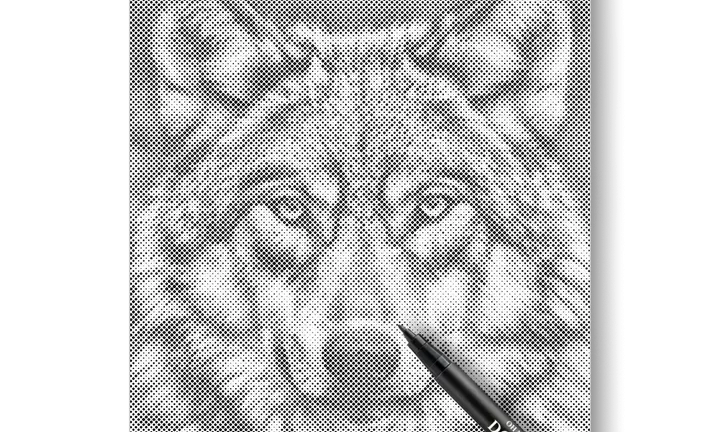
Art has always evolved through experimentation with new techniques, materials and ways of expressing creativity. Among the many methods that artists have explored throughout history, Stipple painting remains one of the most fascinating and visually impressive. By using countless individual dots to create texture, shading and depth, artists can transform simple marks into extraordinary images filled with detail and character.
Although stippling has existed for centuries, it has experienced renewed popularity in recent years thanks to the growing interest in mindful creativity, handcrafted artwork and relaxing artistic hobbies. From beginners looking for a calming pastime to experienced artists searching for new challenges, stipple painting offers endless opportunities for creative expression. With inspiration and tools available through ohmydotz.com, this classic artistic technique is now more accessible than ever before.
What is Stipple Painting?
Stipple painting is an artistic method that uses individual dots instead of traditional brush strokes or continuous lines to create images. By varying the density, size and placement of these dots, artists can create shading, texture and depth.
Areas containing many closely grouped dots appear darker, while more widely spaced dots create lighter sections of the artwork.
The technique relies heavily on:
- patience;
- precision;
- consistency;
- observation;
- gradual development of detail.
The final image often appears remarkably realistic despite being composed entirely of tiny individual marks.
The origins of stippling in art history
Stippling is far from a modern invention. The technique has been used by artists for centuries in various forms of artistic expression.
Historically, stippling has appeared in:
- engraving techniques;
- printmaking;
- pen and ink illustration;
- portrait drawing;
- decorative artwork.
Many classical artists used stippling to create subtle tonal transitions that were difficult to achieve using other methods available at the time.
Why Stipple Painting continues to attract artists
Several characteristics make stippling particularly appealing to modern artists and hobbyists.
Artists are often attracted by:
- the meditative process;
- impressive visual results;
- flexibility of style;
- accessibility for beginners;
- endless creative possibilities.
Few techniques combine technical precision with relaxation quite as effectively.
A perfect exercise in patience and focus
One of the defining characteristics of Stipple painting is the time and attention required to complete even relatively simple pieces.
This slow and deliberate process encourages:
- concentration;
- patience;
- mindfulness;
- discipline;
- appreciation for detail.
Many artists find the process itself just as rewarding as the finished artwork.
How dots create depth and dimension
The visual magic of stippling lies in the way the human eye interprets groups of dots.
Artists create tonal variation by adjusting:
- dot density;
- spacing between dots;
- dot size;
- colour intensity;
- layering techniques.
When viewed from a distance, these tiny details blend together to create smooth transitions and realistic shading.
The connection between stippling and mindfulness
Modern lifestyles are often characterised by constant distractions and information overload. Creative hobbies that encourage focus have become increasingly valuable.
The repetitive nature of stippling often promotes:
- relaxation;
- reduced stress;
- improved focus;
- emotional calmness;
- mental clarity.
For many people, stipple painting becomes a form of active meditation.
Suitable for artists of all experience levels
Although some stippled artworks can be incredibly detailed, the basic technique itself is simple to understand.
Stipple painting is suitable for:
- complete beginners;
- hobby artists;
- children;
- experienced illustrators;
- retirees seeking creative hobbies.
The learning process is gradual and highly rewarding.
Popular subjects for stipple painting
Almost any image can be created using stippling techniques.
Some popular subjects include:
Portraits
Faces gain incredible texture and realism through careful dot placement.
Wildlife
Animal fur and feathers translate beautifully into stippled textures.
Landscapes
Natural scenery benefits from the subtle shading effects of stippling.
Botanical illustrations
Plants and flowers are ideal subjects for detailed dot work.
Abstract artwork
Patterns and geometric forms allow for limitless experimentation.
The tools used in stipple painting
One of the appealing aspects of stippling is that relatively few materials are required.
Commonly used tools include:
- fine liner pens;
- acrylic paints;
- dotting tools;
- brushes;
- quality paper or canvas.
Different materials allow artists to explore various styles and levels of detail.
Colour stippling opens new possibilities
Although traditional stippling often uses black ink, modern artists increasingly experiment with colour.
Colour stippling allows for:
- vibrant compositions;
- enhanced realism;
- greater artistic freedom;
- dynamic contrasts;
- unique visual effects.
This evolution has contributed significantly to the growing popularity of the technique.
Stipple painting and home decoration
Finished stippled artwork often becomes an eye-catching feature in interior spaces.
Popular display locations include:
- living rooms;
- offices;
- bedrooms;
- hallways;
- creative studios.
Their intricate detail frequently encourages viewers to take a closer look.
Educational benefits for younger artists
Stipple painting offers valuable developmental benefits for children and young artists.
The technique helps improve:
- fine motor control;
- concentration;
- patience;
- hand-eye coordination;
- visual observation skills.
These benefits make stippling an excellent educational activity.
Common mistakes beginners should avoid
Every artistic technique involves a learning process, and stippling is no exception.
Some common beginner mistakes include:
- applying dots too quickly;
- inconsistent spacing;
- overworking certain areas;
- poor planning of tonal values;
- insufficient patience.
Fortunately, these challenges become easier to manage with practice.
The growing popularity of handmade art
As digital technology becomes increasingly dominant, many people are rediscovering the satisfaction of creating physical artwork by hand.
Handmade creative activities provide:
- personal fulfilment;
- emotional expression;
- reduced screen time;
- mindfulness benefits;
- a sense of achievement.
Stipple painting fits perfectly within this broader movement towards intentional creativity.
Why artists choose ohmydotz.com
Having access to reliable materials and inspiration can significantly improve the creative experience.
Many artists turn to ohmydotz.com because it offers:
- creative inspiration;
- quality materials;
- suitable tools for beginners and experienced artists;
- educational resources;
- support for artistic development.
These resources make exploring new techniques considerably easier.
The future of stippling remains bright
Interest in slow, mindful and highly detailed creative practices continues to grow worldwide.
Future trends may include:
- larger artistic communities;
- educational workshops;
- digital learning resources;
- innovative materials;
- collaborative art projects.
The timeless nature of stippling ensures that it will continue inspiring future generations of artists.
Stipple painting demonstrates the power of small details
At first glance, a single dot may seem insignificant. Yet Stipple painting proves that when thousands of small details come together with patience and purpose, they can create extraordinary results.
Whether used for portraits, abstract designs or decorative artwork, stippling offers a unique blend of creativity, concentration and relaxation. With inspiration and resources available through ohmydotz.com, artists of all skill levels can discover the satisfaction of building complex images one carefully placed dot at a time.
In a world that often values speed and instant results, stipple painting offers a refreshing reminder that some of the most beautiful creations emerge slowly, patiently and with remarkable attention to detail.
